Travel guide
Best Time to Visit Nepal: Weather, Trekking, Wildlife and Festivals
How Nepal's seasons affect trekking visibility, wildlife viewing in Chitwan, and general comfort — season by season.
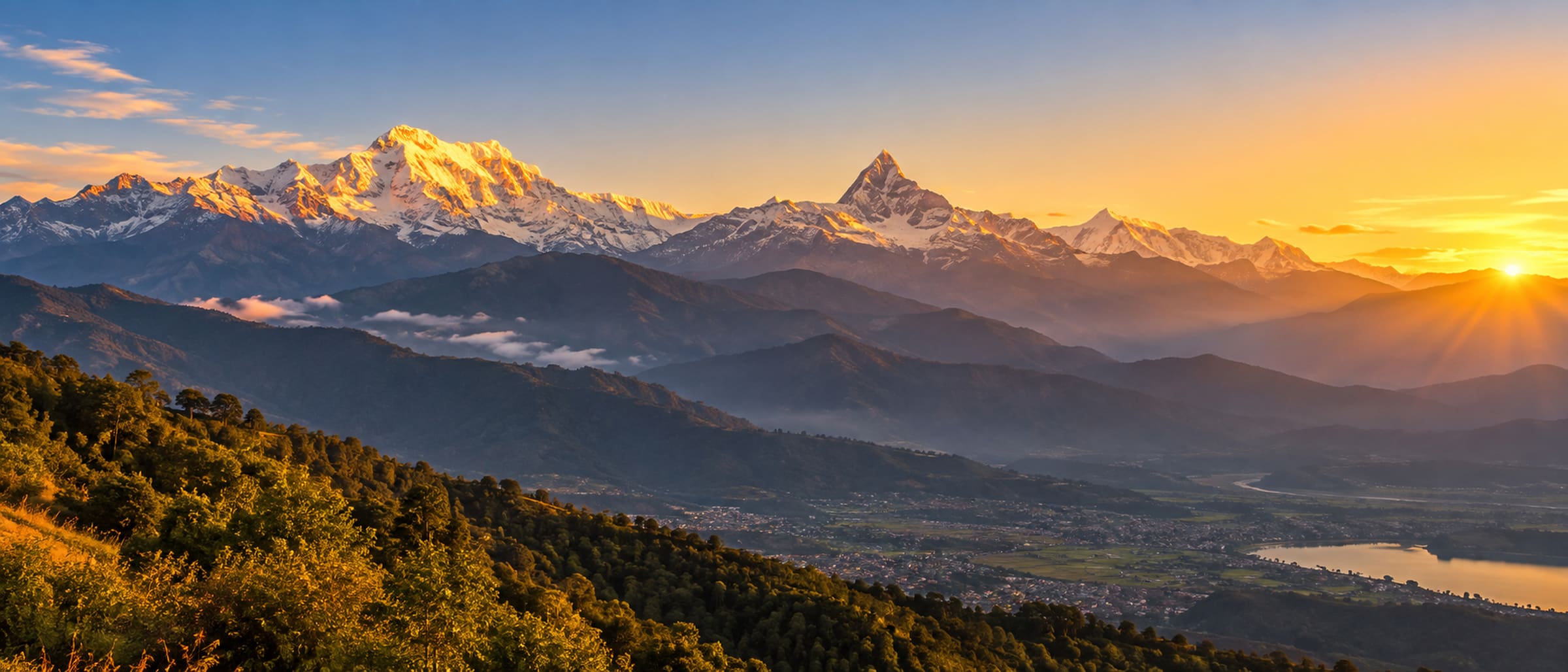
Autumn (September–November): the most reliable window
Clear skies, stable weather and excellent mountain visibility make this Nepal's most popular season for trekking and general sightseeing — and also its busiest and most expensive for accommodation. Major festivals including Dashain and Tihar often fall in this window.
Winter (December–February)
Clear at lower elevations with cold mornings and nights, especially in the hills; higher passes and treks above roughly 4,000m become considerably more demanding. Kathmandu, Pokhara, Chitwan and Lumbini remain very visitable, with fewer crowds than autumn.
Spring (March–May)
The second major trekking season, with rhododendron blooms in the hills and generally good visibility, though afternoon haze can build up, particularly closer to May.
Monsoon (June–August/early September)
Warm and wet, with reduced mountain visibility, making it the least reliable window for trekking. It suits a lower-key trip focused on Kathmandu, Pokhara's lakeside, or a wellness-style stay, and Chitwan's lush, green landscape can be genuinely appealing for those comfortable with rain.
Chitwan wildlife-viewing seasons
October to March generally offers the most comfortable temperatures and best wildlife visibility, as vegetation is lower after the monsoon. April–May can still be productive but is considerably hotter.
Official sources
Time-sensitive details (visas, fees, schedules) can change — always check the current position with the source directly.
Relevant destinations
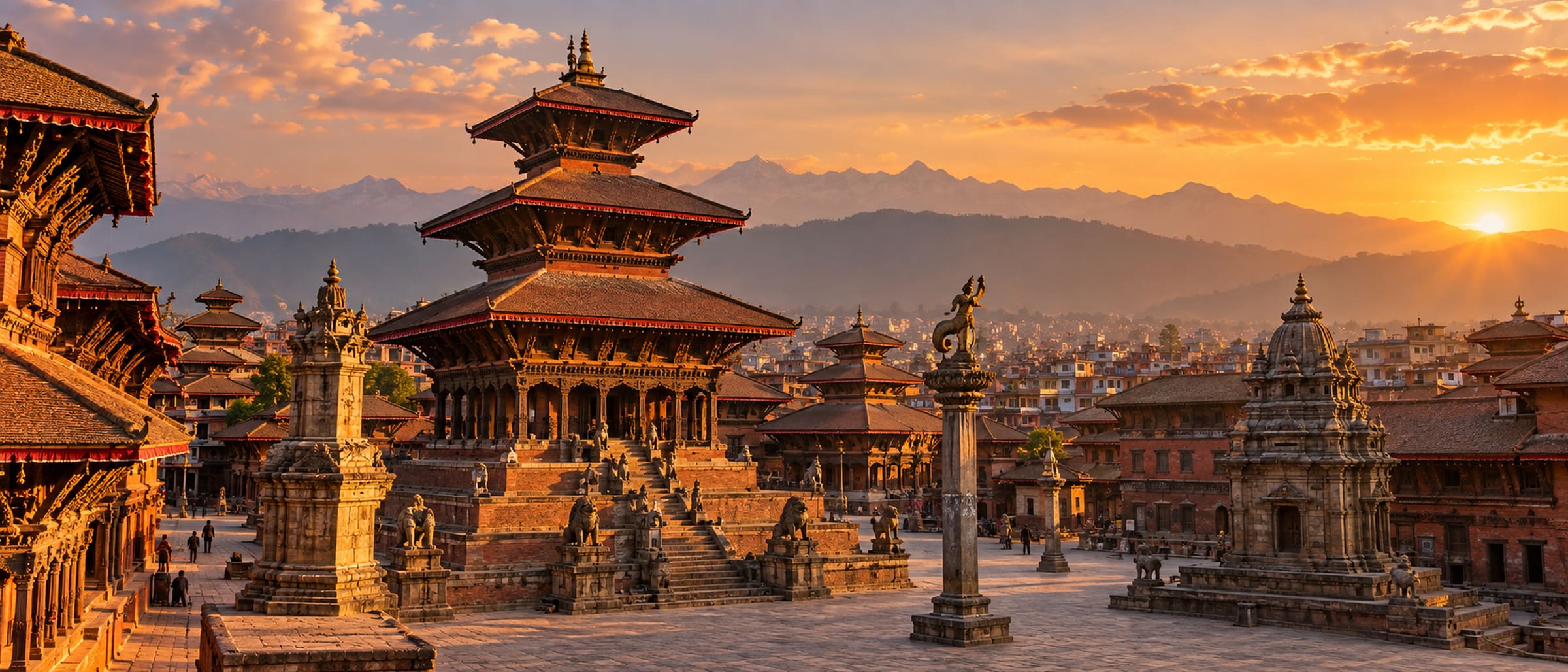
Kathmandu
Nepal's capital is usually where a journey begins and ends — a dense, living valley of temples, courtyards and markets that rewards slowing down for at least two or three days.
Explore Kathmandu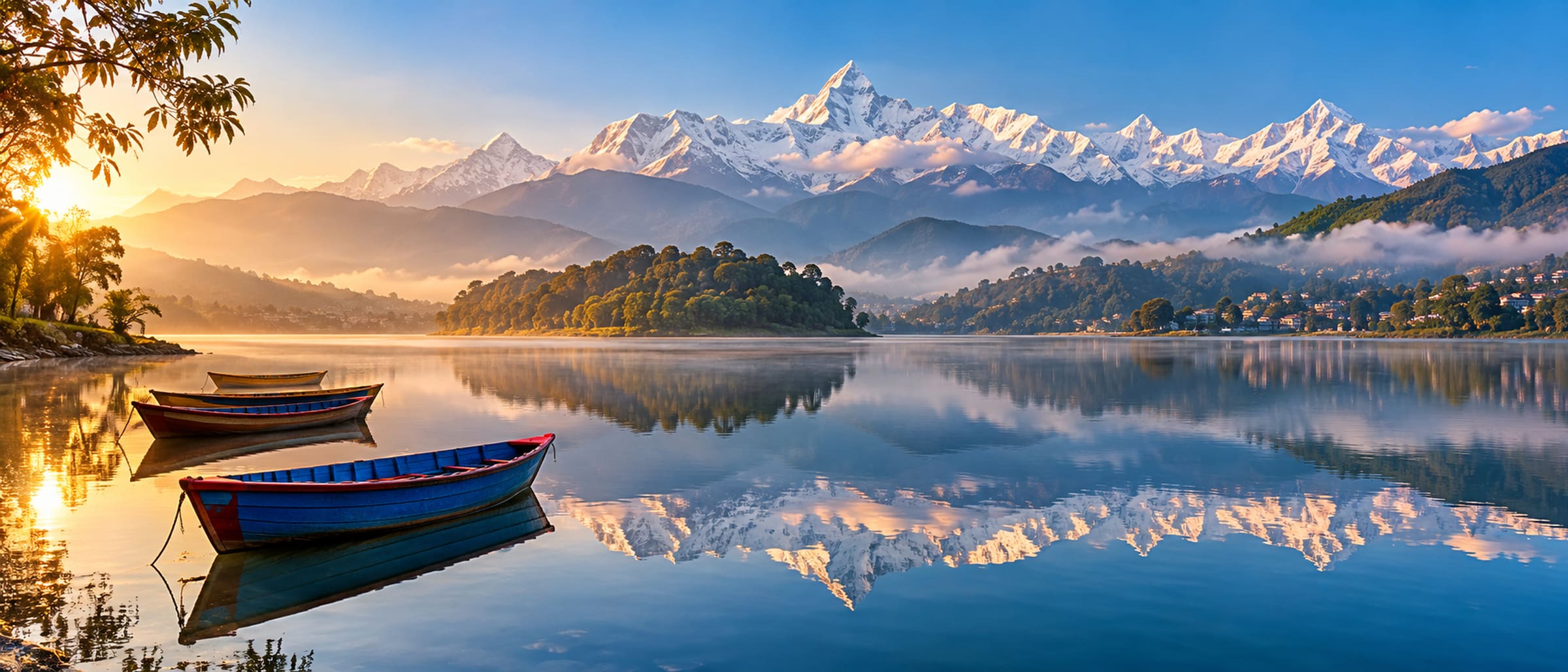
Pokhara
Our home base. A lakeside city facing the Annapurna range, and Nepal's most versatile hub for trekking, adventure sports, wellness and simply slowing down.
Explore Pokhara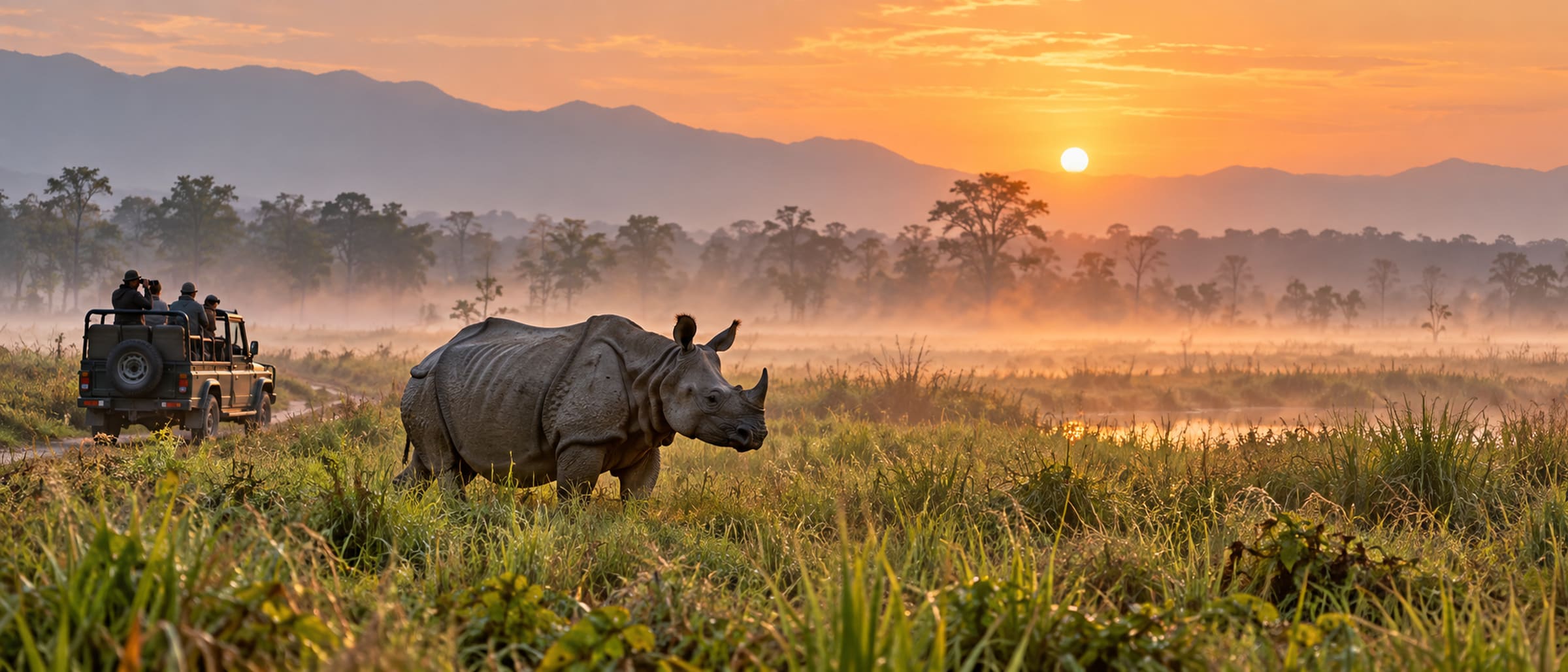
Chitwan
A UNESCO World Heritage lowland national park — one of the best places in Asia to see one-horned rhinos, and, with patience, a wide range of birdlife and other wildlife.
Explore ChitwanReady to start planning?
Planning a trip around this? Tell us your dates and interests and we'll put together a tailored itinerary.
Related guides
Kathmandu, Pokhara, Chitwan and Lumbini: How Many Days Do You Need?
A realistic breakdown of how much time each of Shakurma's four core regions deserves, and how to combine them without over-packing your schedule.
Read guide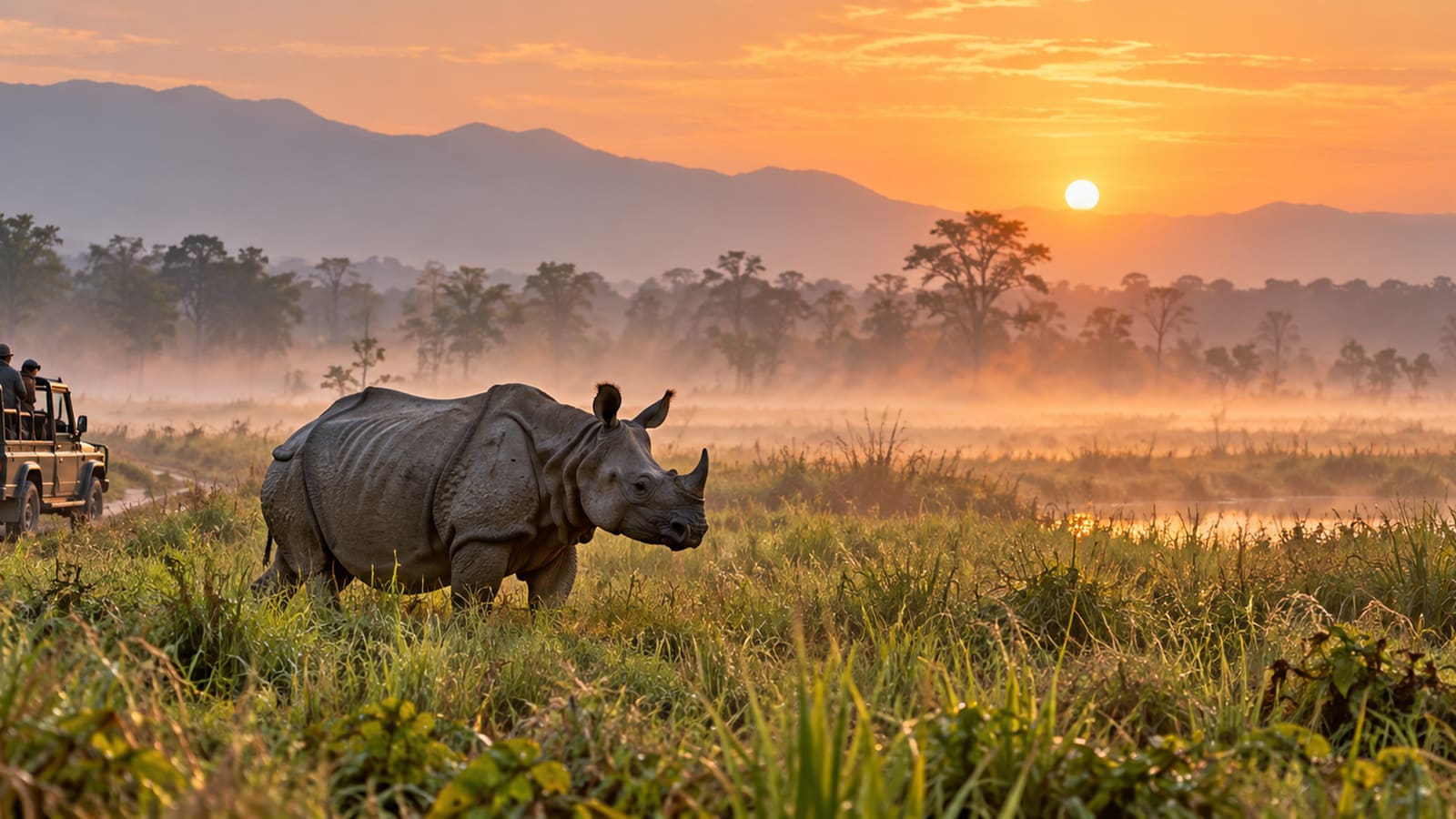
Chitwan Safari Guide: Wildlife, Seasons and Ethical Experiences
What to expect from a Chitwan National Park visit — activities, seasons, and Shakurma's position on responsible, non-exploitative wildlife tourism.
Read guide